Why Choose a Power Inverter Charger for Your Energy Needs?

Time:2026-07-25 Author:Ethan
0%

In today's world, a reliable Power Inverter Charger is essential for various energy needs. The growing demand for renewable energy sources has highlighted the importance of efficient power management solutions. According to the International Energy Agency, global electricity demand will rise by 30% by 2040. This trend emphasizes the necessity of versatile equipment to handle energy transitions.

Power Inverter Chargers play a critical role in converting DC power from batteries into AC power for household appliances. Data from Research and Markets indicates that the power inverter market is projected to reach $11 billion by 2026, reflecting its significance. As people seek energy independence, understanding the function and benefits of these devices becomes increasingly relevant.

However, not everyone realizes that relying solely on traditional generators can incur hidden costs. Power Inverter Chargers offer a more sustainable and often more cost-effective solution. Users must consider their energy requirements carefully. Evaluating efficiency and compatibility with existing battery systems is vital. Choosing the right device can make a substantial difference in energy management strategies.
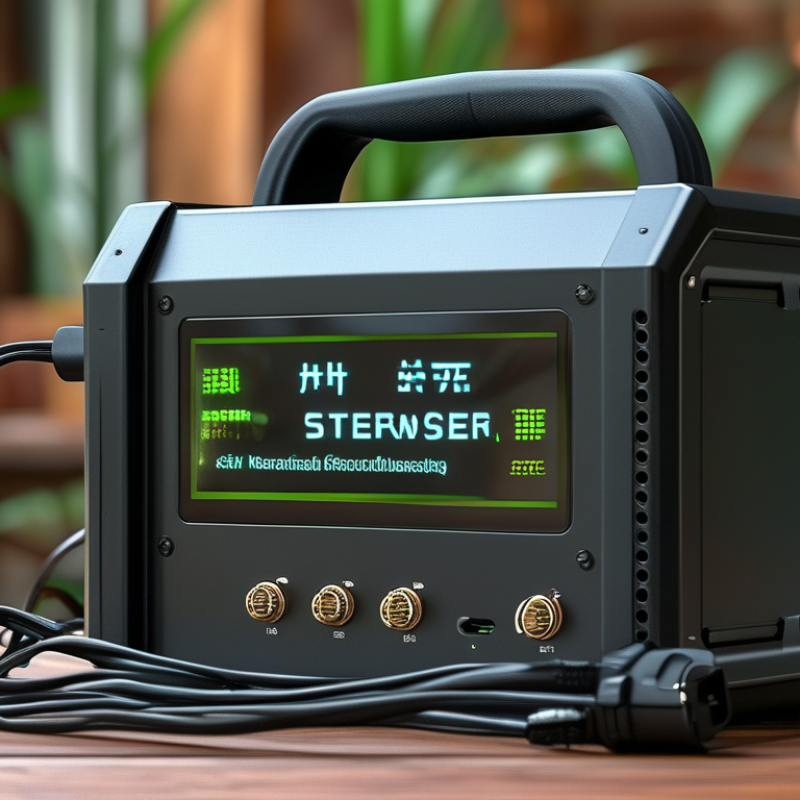
Why Choose a Power Inverter Charger for Your Energy Needs?

Understanding the Basics of Power Inverter Chargers

Power inverter chargers play a crucial role in providing reliable energy solutions. Understanding their basic functions is vital for anyone seeking to optimize energy consumption. These devices convert DC electricity from batteries into AC power for appliances. This process allows you to use regular household devices, even when off-grid.

When choosing a power inverter charger, consider your specific energy needs. Take note of your device's wattage requirements. An inverter that can handle the combined load is essential. For example, a small inverter might suffice for occasional phone charging. However, larger systems are necessary for running refrigerators or power tools.

Think about where you'll use the inverter. Will it be in your home, caravan, or while camping? Different environments may call for different inverter features. It's also important to recognize that not all inverters are created equal. Some may lack sufficient overcurrent protection. Researching various options ensures you choose a reliable model for your needs.

Key Benefits of Using a Power Inverter Charger for Your Home

A power inverter charger is a vital asset for any home relying on a balanced energy supply. It converts DC power from batteries into AC power, which is essential for running household appliances. This is especially useful during power outages when the grid fails. During these times, you need a reliable and efficient power source.

One key benefit of using a power inverter charger is the flexibility it offers. You can easily power lamps, refrigerators, and even computers without hassle. This device is not only cost-effective but also supports a greener lifestyle by making use of renewable energy sources. Solar panels, for example, can work seamlessly with an inverter to provide backup power for your needs.

Additionally, power inverter chargers offer safety features. They often come equipped with overload protection and short circuit prevention. This reduces the risk associated with using alternative power sources. However, not all units are created equal. It's essential to evaluate the specifications and limitations of each model. Understanding these factors can lead to better decision-making.

Different Types of Power Inverter Chargers Available on the Market

When selecting a power inverter charger, understanding the various types available is crucial. There are three main categories to consider: pure sine wave, modified sine wave, and grid-tied inverters. Each type serves unique needs and environments.

Pure sine wave inverters provide clean energy. They are ideal for sensitive electronics, such as computers and medical devices. Modified sine wave inverters are often more affordable but may not be suitable for all appliances. They can lead to inefficiency in certain devices. Grid-tied inverters are perfect for solar energy systems, allowing for energy to be fed back into the grid.

Evaluating these options can be overwhelming. You might question how much power you need. Using the wrong inverter could damage your devices or lead to wasted energy. Knowing your requirements is key. Each inverter type has its advantages and disadvantages, impacting decision-making. It's important to weigh these factors carefully, ensuring your choice meets your energy demands effectively.

Why Choose a Power Inverter Charger for Your Energy Needs?

Type of Power Inverter Charger Voltage Output Power Rating (Watts) Key Features Typical Applications
Pure Sine Wave Inverter Charger 120V / 230V 600W - 5000W Clean power, sensitive electronics compatible Solar systems, RVs, marine applications
Modified Sine Wave Inverter Charger 120V / 230V 300W - 3000W Cost-effective, less efficient for sensitive equipment Basic household appliances, power tools
Inverter/Charger Combo 120V / 230V 1000W - 8000W Integrated charging functionality, automatic transfer switch Off-grid systems, backup power
DC to AC Power Inverter Charger 12V / 24V / 48V 500W - 4000W Versatile input, efficient energy conversion Solar setups, small off-grid systems

Factors to Consider When Choosing a Power Inverter Charger

When selecting a power inverter charger, several critical factors come into play. Understanding your wattage needs is essential. Reports indicate that residential systems often require inverters with 2000-3000 watts for effective performance. This wattage ensures that essential devices run smoothly.

Consider peak power requirements too. Some devices need more energy at startup than during normal operation. Knowing these numbers will guide your decision.

Efficiency ratings are paramount in the selection process. The higher the efficiency, the less energy wasted. Modern inverters boast efficiency levels above 90%, which can lead to substantial savings on energy bills.

Additionally, battery compatibility is crucial. Some inverters work better with specific battery types, such as AGM or lithium-ion. Making the wrong choice can affect both performance and lifespan.

Durability should not be overlooked. Look for inverters designed for extreme conditions. Reports show that units with robust casing can withstand vibrations and temperature variations. Features like built-in surge protection can prevent damage from power spikes.

Ultimately, engaging with technical specifications will enhance your understanding. This helps in choosing an inverter that meets long-term energy needs. However, take time for analysis. Mistakes in selection can incur extra costs.

Common Applications and Uses for Power Inverter Chargers

Power inverter chargers have become essential tools for various applications. Many people use them in RVs and boats to convert DC power to AC power. This allows for powering appliances like microwaves or televisions while on the go. With outdoor adventures becoming popular, having reliable power solutions has never been more important.

In homes, these devices are often used in backup power systems. When electricity goes out, a power inverter charger can keep critical appliances running. Some installations even allow for solar energy integration. However, improper installation can lead to inefficiencies, so it's crucial to follow guidelines.

Construction sites also benefit from power inverter chargers. They provide energy for tools and lighting without needing a generator. This reduces noise and emissions, offering a greener alternative. Yet, users should remain aware of their energy limits. Overloading an inverter can lead to failures, which shows the importance of careful power management.

Power Inverter Charger Applications

Power inverter chargers are versatile devices used across various applications. The chart above illustrates the number of users (in thousands) across common applications such as camping, home backup, construction sites, telecommunications, and marine use. As seen, home backup systems have the highest number of users, highlighting their importance in energy needs.

FAQS

: What is a power inverter charger?

: It's a device that converts DC power from batteries into AC power for household appliances.

Why are power inverter chargers important during power outages?

They provide a reliable power source when the main grid fails, keeping essential appliances running.

Can a power inverter charger support renewable energy?

Yes, it works well with solar panels, creating a greener energy solution for homes.

What types of power inverter chargers are available?

The main types are pure sine wave, modified sine wave, and grid-tied inverters, each serving different needs.

What should I consider when choosing an inverter type?

Evaluate your device requirements. The wrong choice could lead to damage or energy waste.

Are there safety features in power inverter chargers?

Yes, many models come with overload protection and short circuit prevention for added safety.

How are power inverter chargers used in RVs and boats?

They convert DC power to AC power for appliances like microwaves and TVs while traveling.

What is a common mistake when using power inverters?

Overloading the inverter can cause failures. It's vital to manage power limits carefully.

Why is proper installation of inverter chargers important?

Improper installation can lead to inefficiencies. Following guidelines ensures optimal performance.

What are some environmental benefits of using power inverter chargers?

They reduce the need for generators on construction sites, minimizing noise and emissions.

Conclusion

A Power Inverter Charger is an essential device for converting DC power into AC power, making it invaluable for both home and outdoor use. Understanding the basics of these chargers can help users grasp their functionality and advantages. Key benefits include the ability to provide backup power during outages, enhance energy efficiency, and power various appliances directly from batteries.

When choosing a Power Inverter Charger, it's important to consider factors such as wattage requirements, type of inverter (pure sine wave or modified sine wave), and specific application needs. There are various models available on the market that cater to different energy requirements, from small portable units to larger stationary systems. Common applications include powering electronic devices, running off-grid systems, and ensuring reliable energy supply in RVs or emergency situations.


Ethan

Ethan

Ethan is a seasoned marketing professional with a deep expertise in our company's innovative product line. With a passion for sharing knowledge and insights, he takes the lead in regularly updating our corporate blog, where he explores industry trends, product features, and effective marketing......