Choosing the right Solar Inverter is crucial for optimizing solar energy use. In 2021, the global solar inverter market was valued at over $10 billion and is projected to grow steadily. This growth reflects the increasing adoption of renewable energy technologies worldwide. Solar inverters play a pivotal role in converting sunlight into usable electricity.
Different types of inverters cater to various energy needs. String inverters are commonly used in residential settings, while central and micro-inverters serve commercial projects. A study by the National Renewable Energy Laboratory (NREL) highlights that choosing the appropriate inverter can enhance system efficiency by up to 20%. However, not every inverter fits every installation. Buyers must consider factors such as energy production, efficiency ratings, and compatibility with energy storage systems.
While many find solar technology accessible, misconceptions persist about inverter selection. Some may overlook essential features like warranty and customer support. It's vital to research properly and consult experts in the field. Balancing quality, budget, and specific needs leads to a more effective solar energy system. Evaluating your options carefully empowers you to make an informed decision.
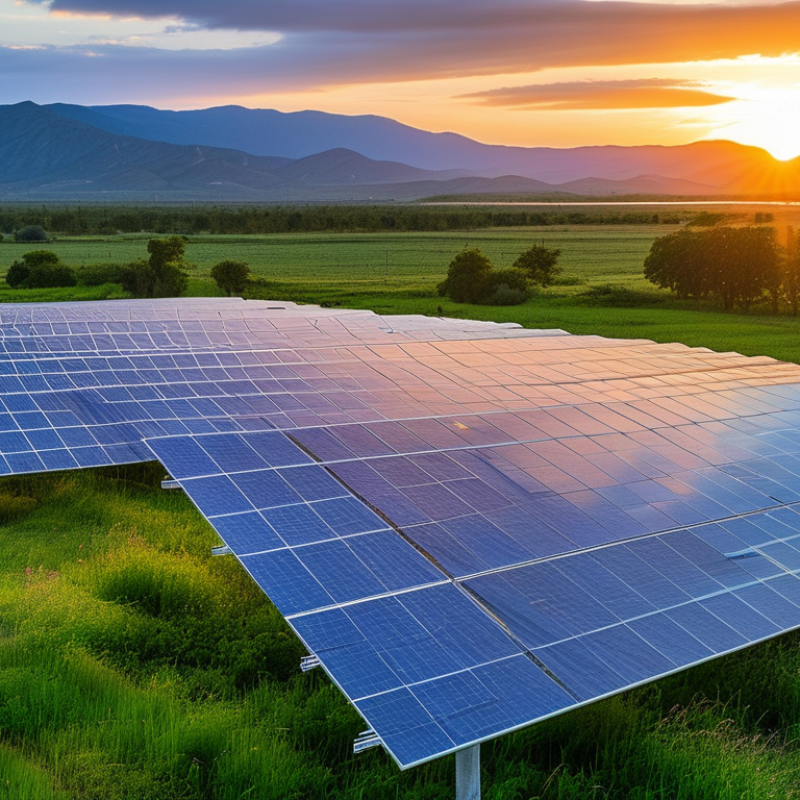
When selecting a solar inverter, understanding your energy requirements is crucial. Consider the size of your solar panel system. The inverter needs to match the capacity of the panels. For example, if you have a 5 kW solar system, an inverter rated for at least that capacity is essential. Additionally, think about the peak power output. This value indicates how much energy the inverter can handle at maximum solar production times.
Compatibility is another vital aspect. Check if the inverter works well with your specific solar panels. Some inverters are designed for specific technologies like string, micro, or power optimizers. Each type has its advantages and disadvantages in terms of efficiency and system design. Take note too of the inverter's efficiency rating. A higher efficiency means more energy conversion, benefiting your overall energy output.
Don't overlook warranty options. Most inverters come with warranties ranging from 5 to 10 years. A longer warranty can indicate a manufacturer's confidence in their product's reliability. Understanding your installation environment is also important. Inverters must operate within particular temperature ranges. Extreme conditions could affect performance and lifespan.
It's worth reflecting on your long-term energy needs as well. Your requirements may change over time, impacting your inverter choice positively or negatively.
: The main types are string inverters, microinverters, and central inverters. Each has unique applications and benefits.
String inverters connect multiple solar panels in series. They are efficient unless shading affects individual panels.
Microinverters are installed on each panel. They increase energy yield in shaded areas but can be more costly.
Central inverters are ideal for larger installations, like solar farms. They handle significant energy outputs effectively.
Consider system size, installation location, and budget. Assessing these factors helps in making an informed decision.
Budget is crucial. Upfront costs vary by type and size, impacting long-term energy savings and reliability.
Higher efficiency inverters optimize energy output. This can lead to increased savings in the long run.
A solid warranty suggests reliability. Compare warranty details across different models before making a choice.
A reliable inverter minimizes maintenance costs. Calculate total investment over its lifespan for better insight.
Professionals can provide tailored guidance. Their expertise might reveal options you hadn’t considered before.
Choosing the right solar inverter is critical for maximizing the efficiency and functionality of your solar energy system. When selecting a solar inverter, you should consider various factors, including inverter types and their specific applications. Understanding the efficiency and performance ratings of inverters will also help you make an informed decision. Additionally, evaluating your energy needs and system size is essential to ensure the inverter can handle your power requirements effectively.
Budget considerations play a significant role in the purchase and installation of a solar inverter. It's important to balance cost with performance to achieve the best long-term results for your solar investment. By carefully assessing these factors, you can choose a solar inverter that meets your unique needs, ensuring optimal energy generation and savings.

 PASS POWER