In the modern world, power reliability is essential. An Inverter Charger combines the function of an inverter and a battery charger, making it indispensable for many users. Whether for home use, RVs, or off-grid applications, selecting the right brand can greatly influence performance and longevity.
Many brands offer Inverter Chargers, each with unique features. Some prioritize portability, while others focus on power output or efficiency. It's important to understand the specific needs of your system. The best choice often depends on individual usage, budget, and required features.
However, navigating through options can be overwhelming. Not every brand provides the same assurances of quality. Users must evaluate the reliability and performance of these brands. Making an informed choice will ensure optimal functionality in powering your devices.
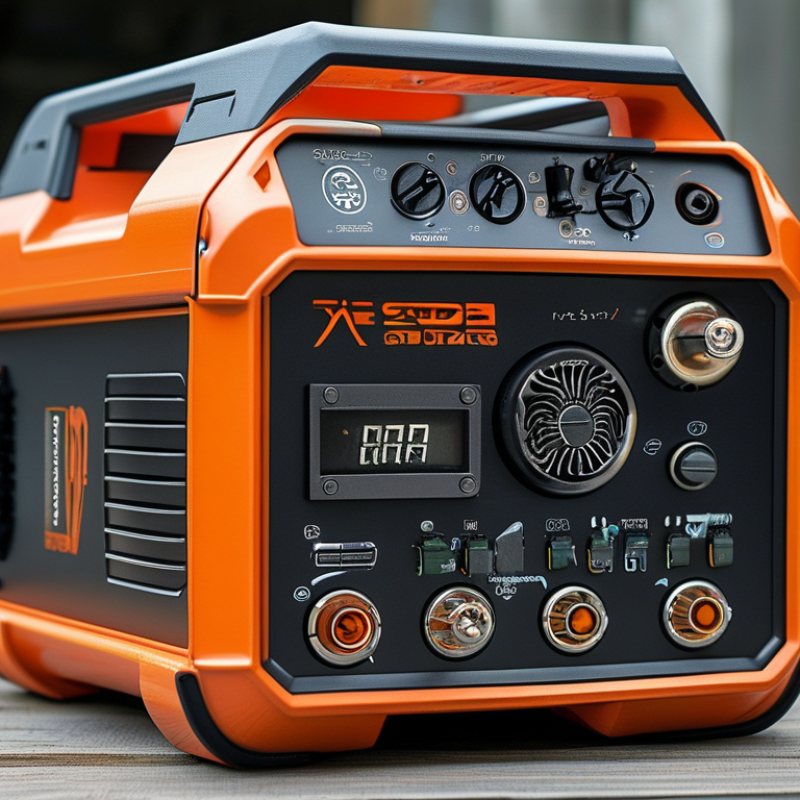
In the competitive world of inverter chargers, several brands stand out as market leaders. These companies are recognized for their high-quality products and innovative technology. They offer various models suitable for different needs. Many consumers prefer these trusted names due to their reliability and performance. With a growing market, understanding the best options can be overwhelming.
When choosing an inverter charger, consider your power needs first. Reflect on the devices you plan to use. Ensure that the charger can handle the total wattage. Additionally, pay attention to features like battery management systems and efficiency ratings. These elements greatly impact overall performance and longevity.
When evaluating inverter chargers, performance and efficiency are key factors. According to industry data, inverter chargers can achieve an efficiency level of up to 95%. This indicates that only a small amount of energy is lost during conversion, making them highly effective. High-efficiency models help reduce overall energy costs. Moreover, inverter chargers with advanced technologies can adjust output according to load, providing further energy savings.
Performance metrics include power output and response time. Many modern inverter chargers can instantly switch between grid and battery power. This feature is vital during power outages. Reports suggest that systems with fast response times can minimize disruptions significantly. Load capacity is another important aspect. Depending on specific needs, users may require chargers that can handle larger appliances.
In addition, reliability is crucial. Systems should undergo rigorous testing to ensure they can perform consistently under various conditions. Some users may find that lower initial costs lead to compromises in durability or warranty terms. Reflecting on customer feedback reveals that many undervalue the importance of robust customer support. Understanding these factors can aid in making informed choices.
The inverter charger market is evolving rapidly in 2023, driven by several key trends. Increasing demand for renewable energy sources pushes more consumers to adopt inverter chargers. According to a recent industry report, the global inverter market is projected to grow at a compound annual growth rate (CAGR) of 9.5% from 2023 to 2030. This growth reflects a shift toward sustainable energy solutions, highlighting the need for efficient power management systems.
Consumers are now looking for advanced features in inverter chargers. Smart technology integration has become crucial. Features like remote monitoring and automated control are in high demand. Data shows that over 65% of new users prioritize these functionalities. However, many users still struggle with understanding the specifications. This gap in knowledge can lead to suboptimal choices.
Tips: Always check compatibility with your existing systems. Consider future energy needs to ensure your choice remains relevant. Invest in documentation and support services for deeper insights. This knowledge can save you from costly mistakes. Ultimately, while the market offers innovative products, buyers must approach selections with careful consideration and a clear understanding of their requirements.
When exploring the world of inverter chargers, understanding pricing can be quite revealing. A typical inverter charger can range significantly in price based on its features and specifications. Basic models start around a few hundred dollars, while high-performance units can exceed a thousand. Buyers often hesitate, wondering if the extra dollars are worth it.
Features play a pivotal role in pricing. For example, a model with advanced surge protection or a built-in smart charger commands a higher price. But are these features necessary for everyone? Some customers might find themselves overpaying for functionalities they may never use. It's crucial to assess your own needs before making a decision.
Additionally, warranty and customer support can influence pricing. Higher prices may promise better service or longer warranty periods. However, are they always reliable? Some brands may market longer warranties but deliver subpar after-sales service. It's wise to check reviews and feedback from previous customers to gauge the true value of what you're purchasing.
When choosing inverter chargers, user trust plays a crucial role. Many consumers rely heavily on reviews before making a purchase. These reviews often reflect the brand's reputation. A strong reputation usually indicates reliability and performance. However, it’s essential to note that not all reviews are honest. Some might be biased or overly critical. This makes careful evaluation necessary.
Tips for evaluating user reviews include looking for patterns. If multiple users mention similar issues, take note. It may highlight potential defects. Consider the date of the reviews too. Older reviews may not represent the current product quality. Check how the company responds to feedback. This reflects their commitment to customer satisfaction.
Additionally, consider personal experiences shared in reviews. These can offer real-life insights that specifications cannot. Yet, some experiences can be subjective. Remember, what works for one may not work for another. Thus, keeping an open mind is vital when reading reviews.
| Brand Reputation | User Trust Rating (out of 5) | Warranty Period (Years) | User Reviews Count | Average Price ($) |
|---|---|---|---|---|
| Excellent | 4.8 | 5 | 250 | 1200 |
| Very Good | 4.5 | 4 | 180 | 950 |
| Good | 4.3 | 3 | 300 | 800 |
| Average | 4.0 | 2 | 150 | 650 |
| Below Average | 3.5 | 1 | 80 | 400 |
: Start with your power needs. Reflect on the devices you'll use and total wattage required.
Reviews offer real-world insights. They help gauge product reliability and performance from actual users.
Look for patterns in feedback. Multiple users noting similar issues can indicate potential defects.
There's rising demand for renewable energy and smart technology features in inverter chargers.
Consider battery management systems and efficiency ratings. These affect the charger’s overall performance.
Consider future energy needs and compatibility with existing systems for longevity.
Keep an open mind. Experiences can be subjective and what works for one may differ for another.
Reliability can vary widely. Test the product in your setup if possible to assess its suitability.
The market is projected to grow at a CAGR of 9.5% from 2023 to 2030, reflecting industry shifts.
No, some reviews may be biased. Evaluating the company’s response to feedback can provide more context.
Inverter chargers have become essential devices for many users, particularly in areas requiring reliable power backup solutions. This article outlines the top 10 inverter charger brands, offering an overview of industry leaders and their market positioning. It highlights the key features consumers should evaluate when selecting an inverter charger, focusing on performance and efficiency, which are critical for optimal functionality.
The market for inverter chargers is evolving, influenced by current trends and advancements in technology, particularly in 2023. Understanding the pricing landscape helps consumers anticipate costs, while insights from consumer reviews shed light on brand reputation and the trust users place in different manufacturers. Overall, this comprehensive analysis equips potential buyers with the necessary information to make informed decisions in selecting the best inverter charger for their needs.

PASS POWER